

Prosthetic liner
comfort and secure fit of the prosthesis
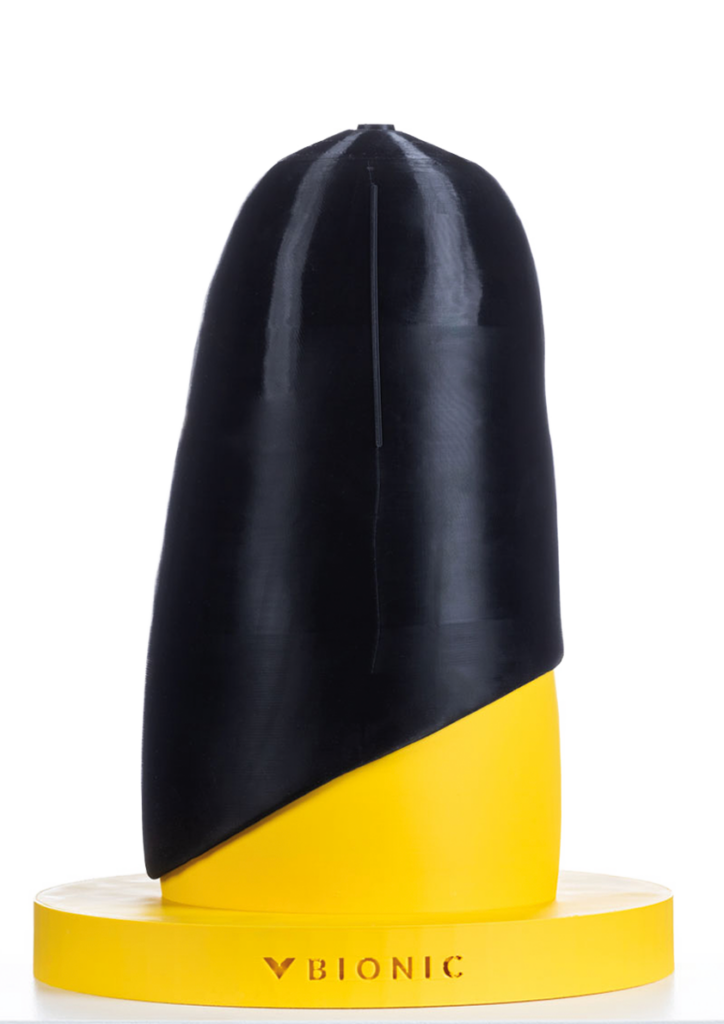
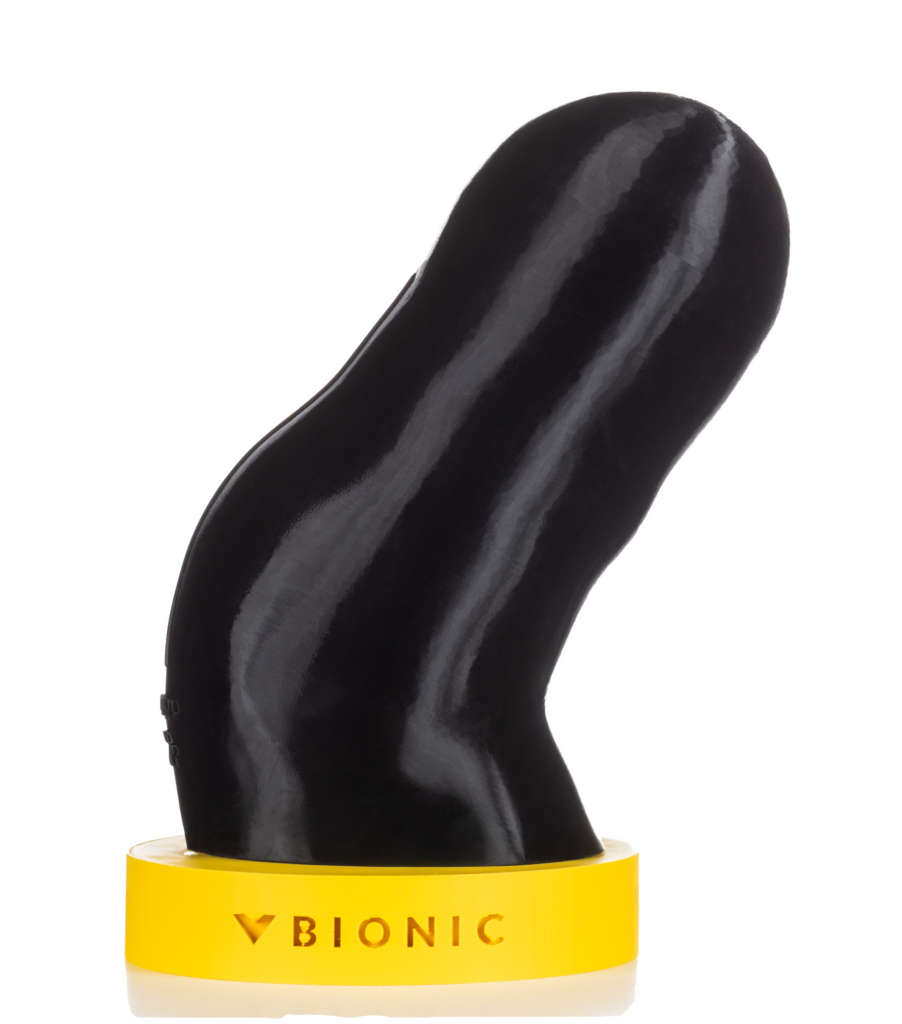
What is a prosthetic liner?
A prosthetic liner is made from flexible materials such as silicone, which adapt perfectly to the shape of the limb. Thanks to the material’s properties, the liner fits closely to the body, does not slip, and adjusts to the individual contours of the residual limb. It can be produced based on a ready-made 3D liner model or custom-designed.
The liner’s properties improve the fit of the prosthetic socket on the residual limb and prevent it from shifting during movement.
The role of the liner in the prosthetic system
The prosthetic liner plays a key role in the entire prosthetic system. It is the component that connects the residual limb to the prosthetic socket and affects the stability, comfort, and safety of prosthesis use. When combined with a properly fitted silicone socket, it allows the user to fully utilize the prosthesis’s functions.
The prosthetic socket is one of the components of a complete below-knee prosthesis.
Detailed information about the full below-knee prosthesis can be found on a separate page:
Fit and wearing comfort
Thanks to the flexible properties of the material, the liner adapts to the unique shape of the residual limb, minimizing pressure points and the risk of chafing. It provides a stable fit of the prosthesis on the limb, reducing unwanted movement relative to the body during daily activities.
A properly fitted liner increases the user’s confidence and allows for more comfortable and safe functioning in everyday life.
The liner’s impact on prosthesis adaptation
Adapting to a new prosthesis is both a physically and psychologically demanding process. The prosthetic liner plays a key role in this adaptation by stabilizing the prosthesis on the limb and reducing the risk of skin irritation. This allows the user to gradually get accustomed to wearing the prosthesis and to increase their activity levels.
Material and properties of a prosthetic liner
A prosthetic liner is made from materials such as silicone, which provide softness, flexibility, and good shock-absorbing properties. This material allows for comfortable wear of the prosthesis over extended periods and helps maintain it in a stable position. The liner’s anti-slip properties reduce prosthesis movement relative to the skin.
Care and replacement of the prosthetic liner
Regular care of the liner is essential to maintain its properties and hygiene. Daily cleaning with mild cleaning agents and thorough drying helps prevent the growth of bacteria and fungi.
Over time, the liner may lose elasticity and its fit, which affects the comfort and stability of the prosthesis. Regular consultations with a prosthetist are recommended to assess the condition of the liner and determine if replacement is needed.
Who is the prosthetic liner for?
A prosthetic liner is intended for individuals after limb amputation, regardless of age or activity level. It is especially recommended for those with sensitive residual limb skin, where protection against chafing and irritation is important. For active users, the liner provides stability of the prosthesis during movement, while for seniors it offers additional cushioning and wearing comfort.
Prosthetic liner price

Michał Kościelny
Client Support
michal.koscielny@vbionic.com
691 690 818